
Cordura is a durable, abrasion-resistant fabric often used in tactical clothing, military gear, backpacks, jackets, pants, and equipment elements. Its main advantage is high resistance to abrasion, tearing, and mechanical stress. That is why Cordura is well suited for items used every day in demanding conditions: in the field, during training, on hikes, at active work, or during tactical tasks.
In M-GEAR tactical clothing, Cordura is not used simply as a decorative element. It is added to the areas that most often come into contact with gear, belts, carabiners, knives, flashlights, or experience frequent friction during movement. As a result, the clothing lasts longer and better withstands intensive use.
What is Cordura in simple terms?
Cordura is not one specific type of fabric, but a whole group of strong technical materials. It is most often made from nylon or blends with cotton, polyester, and other fibers. This material has a dense weave, holds its shape well, is harder to wear through, and better withstands contact with rough surfaces.
If regular fabric can quickly wear out over time on pockets, knees, or belt contact areas, Cordura handles such loads much better. That is why it is often used not across the entire garment, but selectively — exactly where it is truly needed.
Why Cordura is important for tactical clothing
Tactical clothing must be comfortable, but at the same time durable. Pants, jackets, combat shirts, and fleece layers are often used together with belts, pouches, plate carriers, carabiners, magazines, tools, and other gear elements. Because of this, specific fabric areas receive more stress than during regular wear.
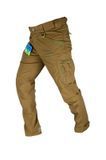
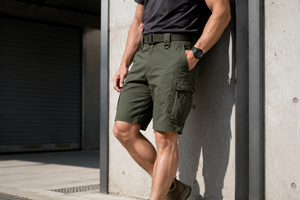
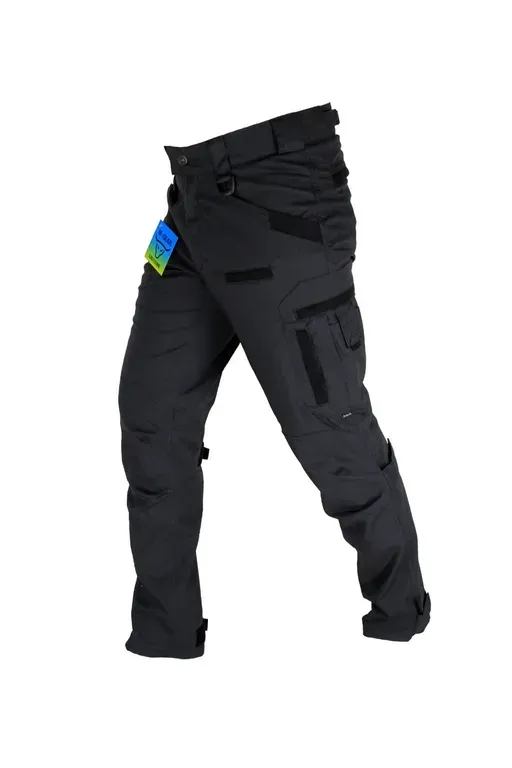
This is where Cordura is most useful. It helps reinforce the construction without adding unnecessary weight to the entire garment. For example, in M-GEAR M-STRONG ripstop tactical pants in coyote color, Cordura 1000D elements are used in the highest-stress zones: on the waistband, pockets, and around zippers.
Where Cordura is used in tactical clothing
Most often, Cordura is not added across the whole garment, but specifically to functional zones. This helps preserve comfort, flexibility, and normal garment weight while reinforcing the most vulnerable areas.
- Pockets — for carrying a knife, flashlight, phone, magazines, or other gear.
- Waistband and belt loops — in areas of constant contact with a belt, carabiners, and pouches.
- Knees and elbows — zones that often come into contact with the ground, gear, or rough surfaces.
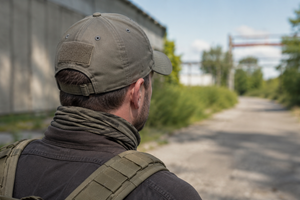
- Shoulders — especially on jackets, where the fabric contacts backpack or plate carrier straps.
- Zippers and pocket edges — areas that are frequently opened, closed, and rubbed during movement.
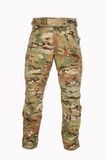
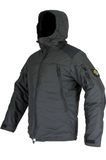
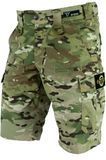
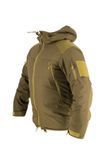
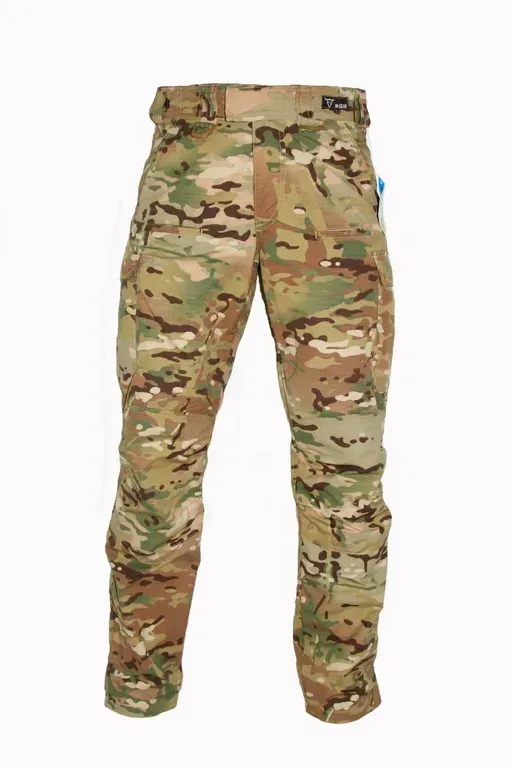
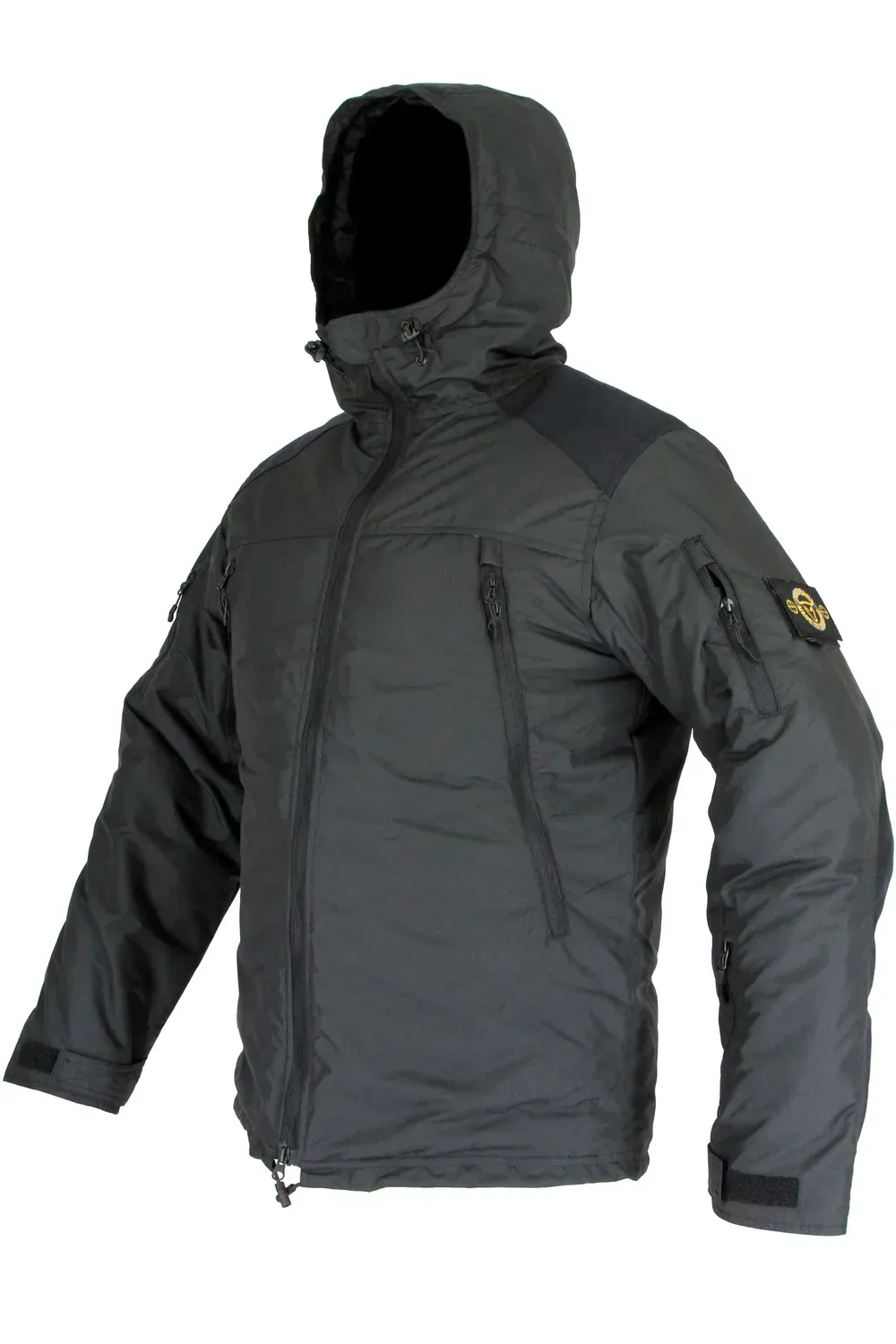
For example, in M-GEAR M-CITY ripstop NYCO Multicam tactical pants, Cordura 1000D reinforcement is used on the waistband and pockets. And in the M-GEAR M-PATROL winter tactical jacket, Cordura 1000D is used on the shoulders and elbows, exactly where the fabric wears out the most during active use.
Cordura 500D and Cordura 1000D: what is the difference?
In material names, you can often see markings such as 500D, 700D, or 1000D. The letter D stands for denier — a measurement related to thread thickness. The higher the number, the denser and stronger the fabric usually is.
- Cordura 500D — lighter and more flexible, well suited for clothing where a balance between durability and comfort is important.
- Cordura 1000D — denser and more heavy-duty, often used for high-stress zones, pouches, backpacks, belts, and reinforcements.
In M-GEAR tactical clothing, Cordura 1000D is often used specifically as reinforcement. This is a practical solution: the main fabric remains comfortable for movement, while the most stressed areas receive additional protection.
Why Cordura is not always needed across the whole garment
It may seem that the more Cordura a garment has, the better. But tactical clothing requires balance. If the entire model is made from very dense fabric, it may become heavier, stiffer, and less comfortable during long wear.
That is why in quality tactical clothing, Cordura is usually used strategically: on pockets, waistbands, knees, elbows, shoulders, or other high-wear areas. This approach helps preserve freedom of movement, proper fit, and long service life.
How Cordura affects the service life of clothing
The main purpose of Cordura is to reduce the risk of fast fabric abrasion. This is especially important for tactical pants, which often come into contact with belts, gear, vehicle seats, the ground, or rough surfaces. Reinforced zones better withstand constant friction, so the garment keeps its working appearance and functionality for longer.
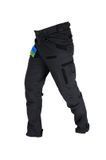
For example, M-GEAR M-STRONG ripstop tactical pants in dark gray combine rip-stop fabric, stretch, 10 functional pockets, and Cordura 1000D reinforcement in key zones. This combination makes the model comfortable for everyday wear while still durable enough for active use.
Who should choose clothing with Cordura?
Tactical clothing with Cordura reinforcements is a good choice for people who regularly use clothing in motion, outdoors, or together with gear. It is not only for military tasks. This type of clothing is suitable for hiking, fishing, hunting, volunteer work, training, shooting ranges, or active everyday use.
Cordura is especially useful if you often wear a belt, pouches, carabiners, backpack, flashlight, knife, or other equipment. In such conditions, regular fabric may wear out faster, while reinforced zones help extend the service life of the item.
How to care for clothing with Cordura
Cordura is easy to use and maintain, but proper care helps preserve its properties for longer. Before washing, always check the care recommendations on the label of the specific product.
- wash clothing at the recommended temperature without aggressive detergents;
- do not use bleach;
- do not dry the fabric over an open flame or near a strong heat source;
- close zippers and Velcro before washing;
- do not iron reinforced areas at high temperatures.
Proper care is important not only for Cordura, but also for the main fabric, membranes, fleece, elastic inserts, and hardware. It helps preserve the shape, fit, and functionality of tactical clothing.
Cordura is a material used where regular fabric may not be enough. In tactical clothing, it provides additional resistance to abrasion, stress, and contact with gear. That is why it is often added to the areas that wear out the most: pockets, waistbands, shoulders, elbows, knees, and zipper zones.
In M-GEAR clothing, Cordura is used practically — not for the name, but to reinforce specific parts of the garment. If you are looking for durable clothing for active use, take a look at M-GEAR tactical pants, winter tactical jackets, and other models where Cordura reinforcement helps clothing better withstand real-world stress.