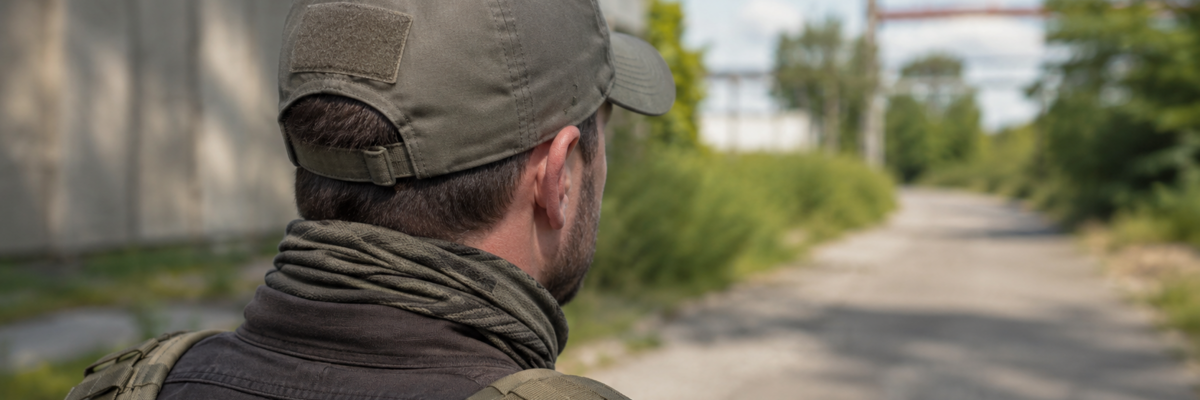
A tactical cap, beanie, or neck gaiter may seem like a small piece of gear, but these accessories often affect comfort throughout the entire day. Headwear protects against sun, wind, cold, dust, sweat, and irritation during movement. A properly chosen neck gaiter can replace a scarf, face cover, neck warmer, or additional protection for the lower part of the face.
In tactical clothing, small details matter. If a cap does not ventilate well, a beanie feels too tight, or a neck gaiter slips during movement, discomfort appears quickly. That is why, when choosing these accessories, it is important to look not only at color and appearance, but also at fabric, cut, seasonality, adjustment, seams, and compatibility with other gear.
Why headwear matters in a tactical outfit
Tactical clothing is often chosen for durable pants, jackets, combat shirts, or fleece layers. But headwear is responsible for comfort in an area that quickly reacts to temperature, wind, and moisture. In hot weather, a cap helps shield the eyes from the sun; in cooler conditions, a beanie helps retain warmth; and a neck gaiter protects the neck, face, or lower head area.
If the outfit is used in field conditions, during training, hiking, fishing, active work, or everyday city wear, headwear should be comfortable and almost unnoticeable in use. It should not press, rub, overheat, or interfere with glasses, headphones, a hood, or a backpack.
You can view current models in the M-GEAR tactical caps and M-GEAR hats and masks categories.
Tactical cap: sun protection and ventilation
A cap is one of the most convenient options for spring, summer, and mid-season wear. It protects the head from direct sunlight, improves visibility in bright weather, and does not take up much space in a backpack. Solid-color models work well for the city, while camouflage options are better suited for field conditions, training, or outdoor tasks.
Ventilation is one of the key details. If the fabric does not manage moisture well, the head can quickly overheat and the cap becomes uncomfortable. That is why it is worth paying attention to ventilation holes, fabric composition, material density, and size adjustment.
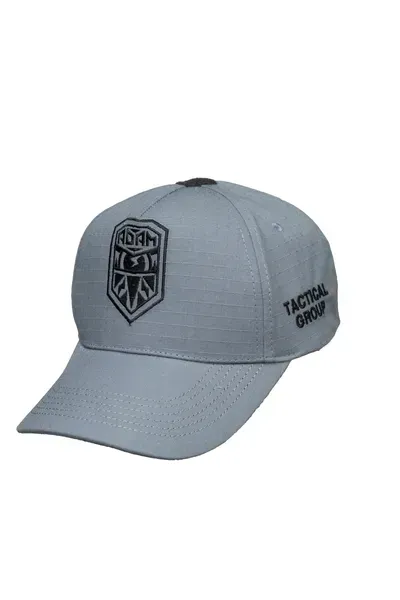
For example, the M-GEAR ADAM gray cap is made from RipStop fabric, has ventilation holes, Velcro adjustment, Velcro panels, and a fabric composition of 35% polyester and 65% cotton. It is a practical option for everyday wear, training, and outfits with tactical pants or shorts.
What to look for when choosing a cap
A tactical cap should be comfortable not only when trying it on, but also after several hours of wear. If it presses around the head, adjusts poorly, or does not allow air to pass through, discomfort will quickly become noticeable in hot weather or during active movement.
- Material: for active use, choose durable fabric with good wear resistance.
- Ventilation: holes or breathable zones help reduce overheating.
- Adjustment: a Velcro strap allows you to fine-tune the fit to your head size.
- Velcro panels: useful for patches, chevrons, or identification elements.
- Visor: should protect the eyes from the sun without limiting visibility.

Multicam, olive, coyote, or gray: which color to choose
The color of headwear should match the main outfit and the intended use. Gray, black, olive, or coyote shades are convenient for the city. They do not look too noticeable and are easy to combine with tactical T-shirts, shorts, pants, and windbreakers.
For field conditions, training, hiking, or tasks where camouflage logic matters, Multicam, pixel, or other camouflage options are more suitable. For example, the M-GEAR 93rd Brigade trident Multicam cap is made from RipStop NYCO Multicam, has ventilation holes, Velcro adjustment, and Velcro panels for attaching patches.
If the cap is needed for everyday city wear, a gray or green model will be more versatile. If it is for a range, field tasks, or a camouflage outfit, Multicam will look more logical.
Neck gaiter: a small accessory with many functions
A neck gaiter is one of the most versatile elements of a tactical outfit. It can be used to protect the neck, lower face, back of the head, or as an additional warming layer under a jacket. In cold weather, it helps reduce wind exposure, and in mid-season conditions it covers the neck without the bulk of a scarf.
Unlike a classic scarf, a neck gaiter is compact, has no long loose ends, and does not interfere with movement. It is convenient on the road, while fishing, hiking, training, working outdoors, or in field conditions.
For example, the M-GEAR fleece neck gaiter in coyote is made from hypoallergenic fleece, stretches well, feels comfortable against the skin, and has width adjustment with an elastic cord and stopper. This accessory is convenient in cool weather, together with fleece, softshell, a winter jacket, or a tactical beanie.

When a neck gaiter is more convenient than a scarf
A neck gaiter is especially useful where mobility matters. It does not unwind, does not catch on gear, does not interfere with backpack or plate carrier straps, and does not create extra bulk under a jacket. For active use, this is an important advantage.
- On a hike: protects the neck from wind and cool air.
- While fishing: helps cover the face and neck from wind.
- In the city: can replace a light scarf in mid-season weather.
- Under a jacket: does not create extra bulk or interfere with the zipper.
- During movement: stays in place better than a regular scarf.
Tactical beanie: warmth without unnecessary bulk
A beanie is not only for winter. In cool weather, wind, duty shifts, travel, or long hours outdoors, it can have a noticeable impact on comfort. A good tactical beanie should keep you warm without overheating, rubbing, or creating unnecessary bulk under a hood.
Fleece is one of the most practical materials for these tasks. It is soft, lightweight, pleasant to the skin, and suitable for cool weather. Seams also matter: if they are rough or poorly placed, the beanie can rub during long wear.
The M-GEAR fleece Polar beanie in olive is made from fleece, has a density of 260 g/m², and features strong flat seams. This model is suitable for cool weather, mid-season wear, trips, active outdoor use, and pairing with a jacket or fleece layer.

How to combine caps, beanies, and neck gaiters with tactical clothing
Headwear is better selected not separately, but as part of the whole outfit. A cap pairs well with tactical T-shirts, shorts, pants, and windbreakers. A neck gaiter pairs well with fleece, softshell, winter jackets, and beanies. A fleece beanie works best with mid-season and winter clothing.
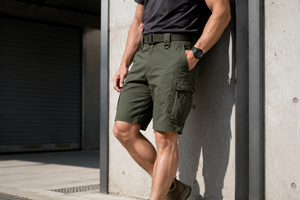
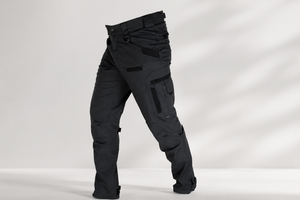
For summer, a cap, tactical T-shirt, shorts, or lightweight pants make a comfortable set. For mid-season weather, a cap or neck gaiter can be combined with a windbreaker or softshell. For colder weather, a fleece beanie, neck gaiter, fleece layer, or winter jacket will be more suitable.
For a complete seasonal outfit, headwear can be combined with M-GEAR tactical T-shirts, tactical shorts, windbreakers, fleece jackets, or winter jackets.
What to consider before buying
Before buying a cap, beanie, or neck gaiter, it is worth understanding the main use case. For summer, ventilation and lightness matter most. For mid-season weather, wind protection and comfort during movement are important. For cold weather, warmth, softness, fabric density, and comfortable seams matter most.
- For hot weather: choose a cap with ventilation holes and convenient adjustment.
- For the city: solid colors such as gray, black, olive, or coyote are usually the best choice.
- For field conditions: Multicam, pixel, or other tactical colors are more suitable.
- For cold weather: pay attention to fleece, fabric density, and flat seams.
- For active movement: secure fit, elasticity, and absence of unnecessary bulk are important.
Which M-GEAR accessories to choose
For everyday wear, city use, and training, you can choose the M-GEAR ADAM gray cap. It has a versatile color, ventilation holes, Velcro adjustment, and a tactical look without being too noticeable.
For field conditions, shooting ranges, hiking, or an outfit with camouflage clothing, consider the M-GEAR 93rd Brigade trident Multicam cap. It is made from RipStop NYCO Multicam, has Velcro panels, and a convenient six-panel construction.
For cool weather, wind, and neck protection, the M-GEAR fleece neck gaiter in coyote is a practical option. It can be worn with fleece, softshell, a winter jacket, or as separate protection in mid-season weather.
For cold weather, travel, active outdoor use, and wearing under a hood, pay attention to the M-GEAR fleece Polar beanie in olive. It is compact, soft, and works well with tactical outerwear.
Tactical caps, beanies, and neck gaiters are small pieces of gear that directly affect comfort. A cap helps in hot weather and protects from the sun, a neck gaiter covers the neck and face from wind, and a fleece beanie keeps warmth in cool conditions. If chosen correctly, these accessories make the whole outfit more comfortable, more practical, and better suited to real use.
In the M-GEAR tactical caps and M-GEAR hats and masks categories, you can choose accessories for the city, hiking, training, field conditions, mid-season weather, and cold weather.